About
Information becomes knowledge when the mind transforms it.
Most research tools treat knowledge as a filing problem. They give you folders, tags, and search bars, then leave you to make sense of what you collected. The assumption is that organizing information well enough will eventually produce understanding.
But that is not how cognition works. Understanding does not emerge from sorting. It emerges from transformation: reading a passage, connecting it to something you read last week, seeing a pattern neither paper stated explicitly, and writing it down in your own words with the citations to prove it.
The gap between collecting sources and producing written work is where research actually happens. That is the space Kognific is built for.
The Aperture
Our logo is two concentric rounded squares, one rotated inside the other. The outer square represents raw input: what you perceive, read, collect. The inner square represents processed understanding: what your mind made of it.
The rotation between them is the cognitive shift itself: the moment information becomes knowledge. The mind does not just store data. It reframes it, finds patterns, transforms perspective. The Aperture is cognition made visible.
How it works
01
Raw sources enter as PDFs, recordings, videos, web pages, images. They leave as structured knowledge: summaries, key findings, methodology, limitations, extracted concepts.
02
Cross-source synthesis connects ideas across your collection. Literature reviews, gap analyses, methodology comparisons. Each claim traced to a specific passage in a specific source.
03
You ask questions and get answers grounded in your actual papers. Not the internet. Not a language model's training data. Your sources, cited inline.
04
You write with AI that pulls from what you have read, not what it has read. Every paragraph carries real citations you can verify.
Team
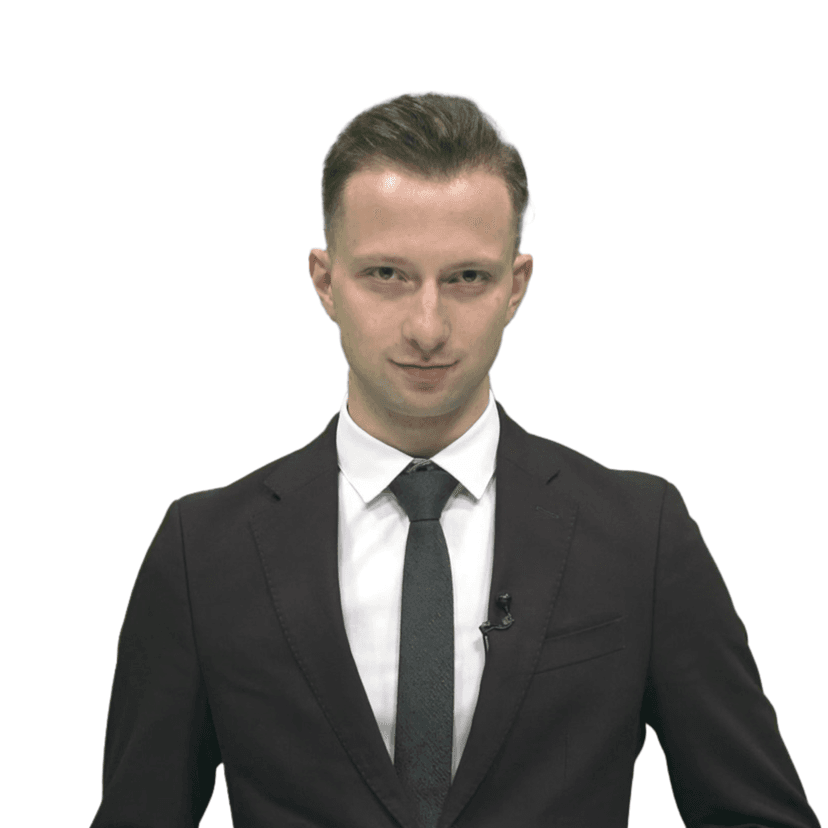
Keremcan Yesildag
Co-founder
Built products across learning, research, and productivity. Background in education, language, and tech.
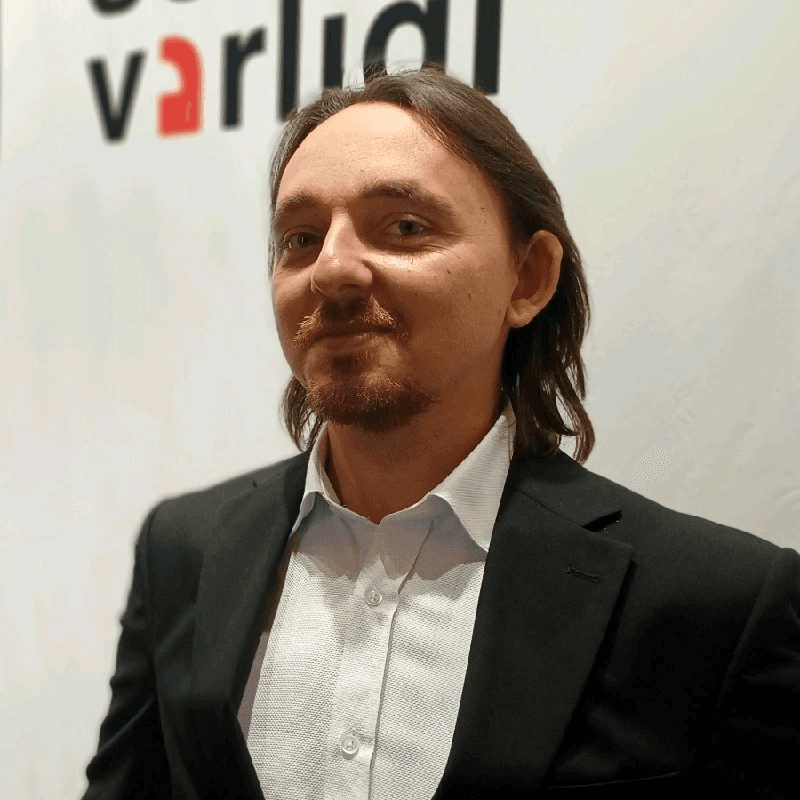
Oguz Ozgur Ugur
Co-founder
PhD candidate in Linguistics, specializing in NLP. Bridges academic research with product development.